
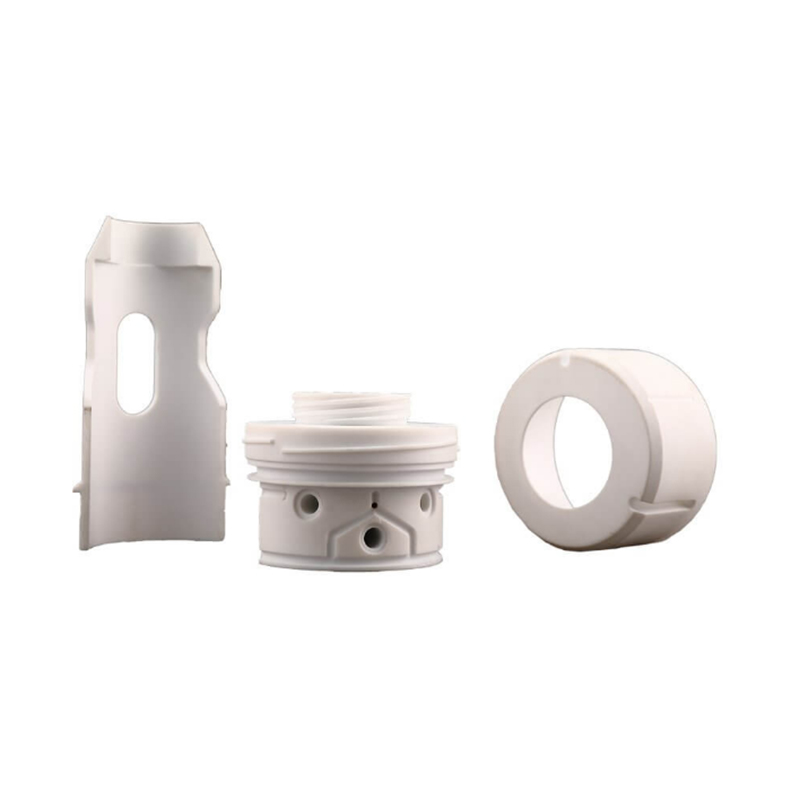
In the modern manufacturing landscape, moulding machines play a pivotal role in shaping materials into precise and intricate components. These machines have become an indispensable part of industries ranging from aerospace to agriculture, enabling mass production while maintaining high accuracy and quality. As technology advances, understanding the types of moulding machines and their applications is crucial for businesses aiming to optimize their production processes.
**Overview of Moulding Machines**
Moulding machines are designed to form raw materials, typically plastics, metals, or composites, into predetermined shapes using a mould or die. The process involves injecting or compressing the material into a cavity where it solidifies or sets into the final product form. Depending on the nature of the product and the material used, different moulding methods and machines are employed.
**Types of Moulding Machines**
1. **Injection Moulding Machines**
Injection moulding machines are widely used for producing high volumes of plastic parts with intricate designs. The machine works by heating plastic pellets until they melt and then injecting the molten plastic into a mould cavity under high pressure. Once cooled, the product is ejected, and the cycle repeats.
Injection moulding is favored in industries such as automotive, medical devices, consumer electronics, and packaging due to its efficiency and ability to create complex geometries with fine details. Advances in CNC machining have enhanced the precision of mould design and manufacturing, resulting in better fitting parts and reduced defects.
2. **Compression Moulding Machines**
In compression moulding, a preheated polymer is placed into an open, heated mould cavity. The mould is then closed, and pressure is applied to distribute the material and form it into the desired shape. This technique is commonly used for thermosetting plastics and rubbers.
Compression moulding is popular in producing automotive parts, electrical insulators, and appliance components. It is particularly suited for large, fairly simple components that require high strength and heat resistance.
3. **Blow Moulding Machines**
Blow moulding machines are specialized for manufacturing hollow plastic parts such as bottles, containers, and drums. The process involves inflating heated plastic inside a mould cavity using air pressure, causing it to take the shape of the mould.
This method is extensively used in packaging industries and has evolved with innovations that allow for lightweight, durable, and recyclable containers.
4. **Transfer Moulding Machines**
Transfer moulding is similar to compression moulding but involves transferring the material into the mould cavity through a runner system. It allows for better control of material flow and is used for intricate parts that require precise filling of the mould.
This technique finds applications in producing small electrical components, seals, and gaskets that demand tight tolerances.
5. **Rotational Moulding Machines**
Rotational moulding, or rotomoulding, involves heating a mould filled with powdered resin while rotating it biaxially. The resin melts and coats the inside of the mould evenly, forming hollow parts.
Due to its cost-effectiveness and ability to produce large, seamless products, rotational moulding is widely used for tanks, playground equipment, and automotive fuel tanks.
**Precision and Technological Integration**
The efficiency and output quality of moulding machines heavily depend on the precision of the moulds themselves. This is where advanced CNC (Computer Numerical Control) machining services come into play. High-quality moulds require exact dimensions, smooth finishes, and durable surfaces to withstand repeated cycles.
Since 2013, companies specializing in precision CNC machining have contributed significantly to the moulding industry. They offer a comprehensive range of services including CNC milling, turning, grinding, prototyping, and complete surface finishing. These services cater to intricate mould components, ensuring they meet stringent industry standards.
One such company, with years of experience, has established partnerships across numerous sectors including automation, food, medical, electrical components, semiconductor, oil and gas, aerospace, agriculture, and heavy equipment industries. Their expertise in precision machining supports the production of high-quality moulds, enabling manufacturers to improve product consistency and reduce downtime.
**Applications Across Industries**
The diversity of moulding machines and precision machining services reflects the broad spectrum of industries relying on moulded parts.
- **Automotive Industry:** Injection and compression moulding machines produce components such as dashboards, bumpers, and engine parts that demand durability and precision.
- **Medical Field:** High-precision moulded parts are essential for medical devices, surgical instruments, and packaging of pharmaceuticals, where hygiene and accuracy are paramount.
- **Electrical Components:** Moulding is used to manufacture insulators, housings, and connectors critical for safety and performance.
- **Aerospace:** Components require materials and moulds that can endure extreme conditions, making precision machining crucial for mould production.
- **Agriculture and Heavy Equipment:** Durable parts capable of withstanding harsh environments are created using robust moulding techniques complemented by exact CNC-machined moulds.
**Looking Forward**
As industries continue to demand faster production cycles, higher precision, and sustainable methods, the evolution of moulding machines and CNC machining services will be central to meeting these needs. Innovations such as automated moulding machines, advanced materials, and precision prototyping enhance productivity and reduce waste.
Businesses seeking to improve their manufacturing capabilities should consider integrating state-of-the-art moulding technologies with expert CNC machining services. Doing so ensures that both the machines and moulds used in production achieve the highest standards of quality and efficiency.
**Conclusion**
Moulding machines are indispensable tools in modern manufacturing, offering versatile options for shaping diverse materials into high-quality products. Understanding the different types of moulding machines — from injection and compression to blow and rotational moulding — allows manufacturers to select the best process for their applications. Coupled with precision CNC machining services, these technologies empower industries to deliver innovative, reliable, and cost-effective solutions that meet the demands of today and tomorrow.
With over a decade of experience providing precision CNC machining, dedicated service providers continue to support a wide range of industries by enhancing mould quality and production efficiency. As manufacturing challenges evolve, the synergy between advanced moulding machines and precision machining remains a cornerstone of industrial success.