
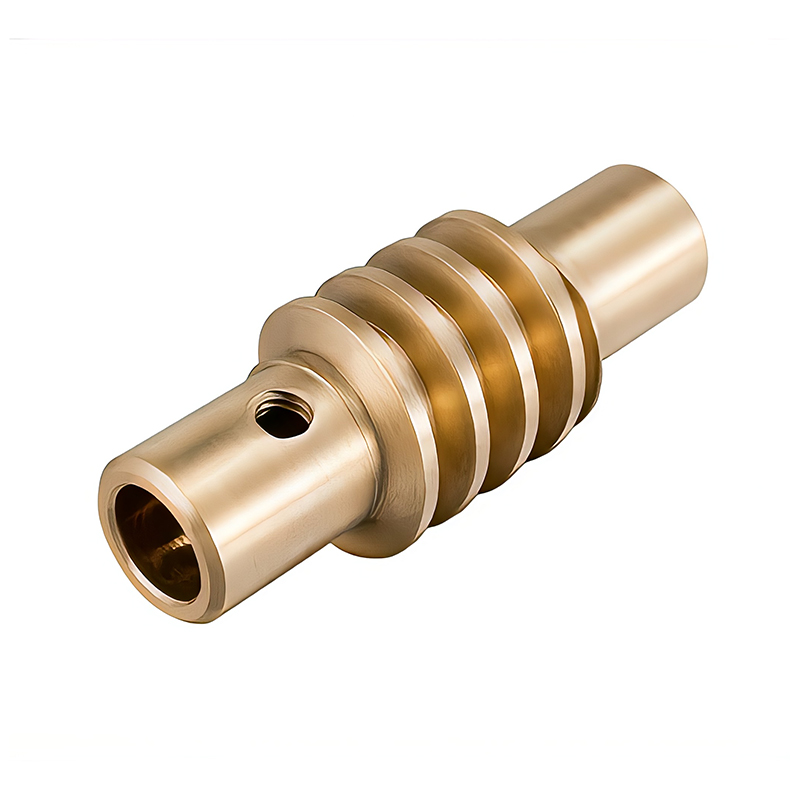
Since its inception, CNC machining has revolutionized manufacturing by offering precision, efficiency, and versatility. With capabilities such as CNC milling, turning, grinding, prototyping, and surface finishing, CNC machining serves a wide range of industries including automation, food, medical, electrical components, semiconductor, oil and gas, aerospace, agriculture, and heavy equipment. Alongside these benefits, however, comes the critical need for maintaining stringent safety standards to protect workers and optimize operational performance.
**The Importance of Safety in CNC Machining**
CNC machining involves the use of complex computer-controlled tools that can operate at high speeds and with great precision. While these machines increase productivity and reduce human error, they also present inherent risks including mechanical hazards, flying debris, electrical shocks, and ergonomic issues. Implementing comprehensive safety measures is therefore indispensable to prevent accidents, reduce downtime, and ensure a stable and productive working environment.
**Core Safety Practices for CNC Machining**
1. **Proper Training and Certification**
One of the most fundamental aspects of CNC machining safety is ensuring that operators are thoroughly trained. Given the complexity of computer numerical control systems, operators must be proficient not only in machine operation but also in emergency procedures, maintenance protocols, and safety regulations. Regular training updates and certifications ensure that workers stay informed about best practices and emerging safety technologies.
2. **Use of Personal Protective Equipment (PPE)**
Wearing appropriate PPE is non-negotiable in any CNC machining environment. Safety glasses, gloves, ear protection, and sometimes face shields can protect operators from dust, flying chips, and excessive noise. Gloves should be used judiciously since improper use around rotating parts can pose risks; thus, guidance on appropriate PPE use is essential.
3. **Machine Maintenance and Inspection**
Regular maintenance and inspections are vital to ensure machines operate safely and efficiently. Worn or damaged components such as cutting tools, guards, sensors, and emergency stop mechanisms must be repaired or replaced promptly to avoid malfunctions that can lead to injury or product defects. Scheduled preventive maintenance also helps identify potential issues before they escalate.
4. **Proper Machine Guarding**
Machine guards serve as a physical barrier between operators and moving parts. Effective guarding prevents inadvertent contact with cutting tools, spindles, and other hazardous components. Guards should be designed to allow visibility and accessibility for operations and maintenance while ensuring maximum protection.
5. **Emergency Protocols and Ergonomics**
Establishing clear emergency stop procedures and ensuring easy access to emergency stop buttons can save lives during unexpected malfunctions. Additionally, ergonomics plays a crucial role in operator safety. Workstations should be designed to minimize repetitive strain injuries, fatigue, and awkward postures. Proper lighting and ventilation also contribute to a safer workspace.
6. **Safe Handling of Materials and Tools**
Safe material handling guidelines should be followed to prevent injuries related to lifting heavy or awkward parts, secure fixture placement, and proper disposal of scrap materials. Cutting tools and sharp components require careful storage and handling protocols to avoid cuts and punctures.
**Industry Applications and Safety Implications**
CNC machining’s broad application spectrum—from aerospace to agriculture—means that safety measures must be tailored to the specific industry requirements:
- **Aerospace and Semiconductor** industries demand ultra-precision and often work with highly sensitive materials. Safety here includes contamination control and shielding from particulate matter.
- **Food and Medical** sectors require not only personal and mechanical safety but also stringent sanitation standards to comply with health regulations.
- **Oil and Gas and Heavy Equipment** sectors involve larger machines and heavier components, increasing the need for robust guarding and material handling safety.
- **Automation and Electrical Components** machining often involves small, delicate parts, emphasizing precision in machine calibration and operator training.
**Company Experience in CNC Machining Safety**
Since 2013, Kachi has been a leading provider of precision CNC machining services, including milling, turning, grinding, prototyping, and surface finishing. Serving diverse industries such as automation, food, medical, semiconductor, oil and gas, aerospace, agriculture, and heavy equipment, Kachi places a strong emphasis on workplace safety.
By integrating advanced safety protocols and continuous operator education, Kachi ensures its workforce operates in a secure environment while delivering high-quality components. Their commitment to safety not only decreases the risk of accidents but also enhances productivity and product reliability—benefits that ripple through to their clients across all served industries.
**Future Trends in CNC Machining Safety**
Safety in CNC machining continues to evolve with technological advancements. Developments such as automated monitoring systems, AI-driven predictive maintenance, and enhanced machine enclosures promise to further reduce risks. Additionally, virtual reality and augmented reality training tools enable operators to practice safe procedures in a controlled, simulated setting before working on live equipment.
**Conclusion**
CNC machining is integral to modern manufacturing and requires diligent safety management due to the complex and potentially hazardous nature of the machines involved. Adopting comprehensive safety strategies—ranging from training and PPE use to rigorous maintenance and industry-specific measures—is essential to protect workers, maintain operational efficiency, and produce top-quality parts.
With extensive experience serving a variety of demanding sectors, companies like Kachi exemplify how dedication to CNC machining safety contributes significantly to sustained success and customer satisfaction. As CNC technologies advance, the focus on safety will remain paramount in shaping a secure and productive future for manufacturing industries worldwide.