
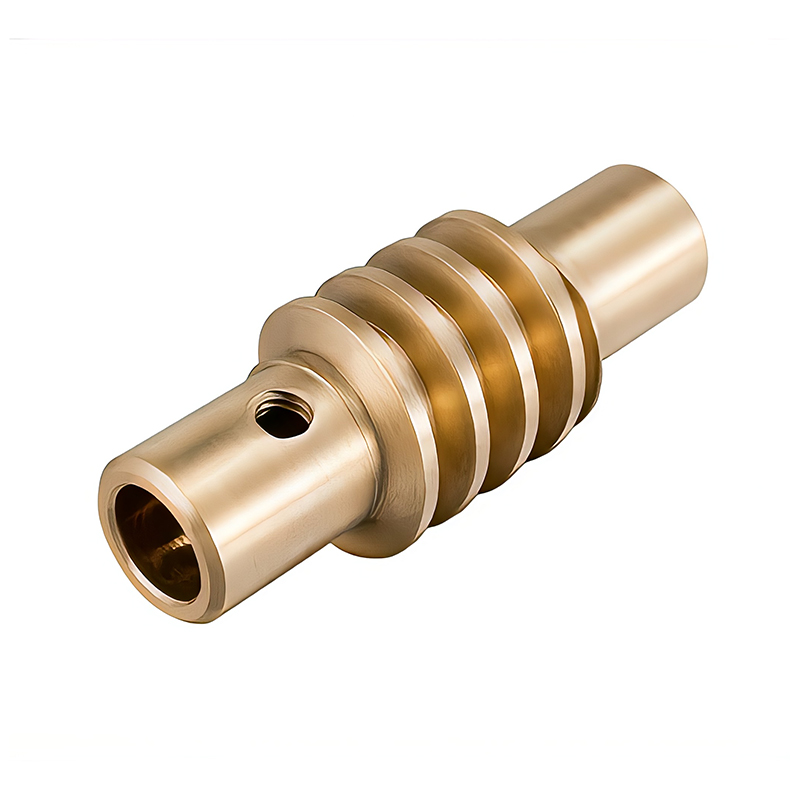
Since 2013, precision CNC machining services have played an increasingly vital role in modern manufacturing, providing critical support across a broad spectrum of industries. With capabilities encompassing CNC milling, CNC turning, CNC grinding, prototyping, and comprehensive surface finishing, these services have become essential for producing high-quality, reliable components used in complex industrial applications. The integration of sophisticated computer numerical control technology ensures that parts are manufactured with exceptional accuracy and consistency, meeting the rigorous standards demanded by sectors such as automation, food processing, medical devices, electrical components, semiconductors, oil and gas, aerospace, agriculture, and heavy equipment.
### Evolution and Capabilities of Precision CNC Machining
CNC machining has transformed manufacturing by automating the fabrication process, allowing for precision at micron levels that are impossible to achieve through traditional manual operations. Since its inception, this method has continued to evolve, incorporating advances in software, tooling, and automation to enhance productivity and versatility. By precisely transporting computer-aided design (CAD) files into machine operations, CNC machining allows for rapid prototyping alongside full-scale production.
The primary services — CNC milling, turning, and grinding — can be utilized individually or combined to meet unique client requirements. CNC milling involves removing material by rotating multi-point cutting tools, ideal for creating complex geometries and varying depths. CNC turning, in contrast, spins the workpiece itself against a fixed cutting tool, perfect for symmetrical shapes such as shafts and cylindrical components. CNC grinding further refines surfaces to exact tolerances, enhancing the usability and longevity of parts.
Beyond these fundamental processes, surface finishing operations including anodizing, polishing, and coating help increase part performance, corrosion resistance, and aesthetic appeal. Together, these services ensure that final components are both functionally reliable and visually precise.
### Industry Applications and Impact
Precision CNC machining services cater to numerous sectors, each with specialized demands for accuracy, material strength, and production efficiency.
**Automation:** The automation industry requires precise, repeatable components to assemble complex machines and robots. CNC machining enables manufacturers to produce parts that seamlessly integrate into automated systems, supporting advancements in robotics, assembly lines, and instrumentation.
**Food Industry:** In food processing equipment, components must meet stringent hygiene and durability standards. Machined parts designed with exact tolerances ensure the reliability and safety of mixers, conveyors, and packaging machinery, helping food manufacturers maintain high operational standards.
**Medical Sector:** The medical field demands utmost precision for surgical instruments, implants, and diagnostic equipment. CNC machining can deliver biocompatible, high-accuracy components used in minimally invasive devices, prosthetics, and imaging hardware. The ability to prototype quickly accelerates innovation and patient care improvements.
**Electrical Components:** Electrical and electronic devices rely on tiny, accurately machined components to function reliably under varied conditions. CNC machining’s capability to create detailed parts contributes to the advancement of circuit assemblies, connectors, and housings essential to modern electronics.
**Semiconductor Industry:** Chip manufacturing and associated equipment require ultra-high precision parts that maintain stability during processing. CNC machining facilitates the production of these components, ensuring prolonged tool life and consistent results in cleanroom environments.
**Oil and Gas:** The harsh environments of the oil and gas sector necessitate machined parts that can withstand extreme pressures and temperatures. CNC machining provides durable valves, fittings, and shafts that support exploration and extraction machinery, contributing to operational safety and efficiency.
**Aerospace:** Aerospace manufacturing is one of the most demanding fields for precision components. Machined parts used in aircraft engines, control systems, and structural assemblies must comply with rigorous regulations. CNC technology ensures these parts meet flight safety standards while minimizing weight and maximizing strength.
**Agriculture and Heavy Equipment:** From tractor components to construction machinery, CNC machining produces robust, long-lasting parts that reduce machine downtime and increase productivity in agriculture and heavy industries.
### The Role of Prototyping and Surface Finishing
Prototyping, enabled by CNC machining, allows manufacturers and designers to test and refine components before full-scale production. Rapid iteration facilitates problem-solving, reduces development time, and cuts costs associated with design flaws. This process is especially critical in industries where safety and performance are paramount.
Surface finishing complements machining by delivering the final qualities that parts require for optimal performance. It improves wear resistance, prevents corrosion, and enables better integration into assemblies. For instance, anodizing aluminum improves surface hardness and aesthetic appeal, while polishing stainless steel can achieve smooth, contamination-resistant finishes necessary in medical and food processing environments.
### Commitment to Quality and Customer Service
Since 2013, precision CNC machining services have been guided by a commitment to quality, employing stringent inspection protocols and modern quality assurance tools. From coordinate measuring machines (CMM) to optical comparators, these systems verify dimensional accuracy and surface integrity.
Moreover, the ability to work with a diverse clientele across multiple industries highlights the adaptability and expertise of machining service providers. Custom solutions, flexible production runs, and responsive customer service contribute to long-term partnerships and successful project outcomes.
### Looking Forward: Innovation and Sustainability
The future of precision CNC machining includes integration with Industry 4.0 technologies such as IoT, AI, and advanced robotics, which will further improve efficiency, traceability, and process optimization. Sustainable manufacturing practices, including waste reduction and energy-efficient machining, are becoming priorities, helping industries meet environmental standards.
As demand for precision components grows amid technological advancements, CNC machining services will continue to underpin innovation and industrial development.
---
In essence, precision CNC machining services, with their comprehensive processes including milling, turning, grinding, prototyping, and surface finishing, have established themselves as indispensable to a wide array of industries. Their evolution since 2013 reflects the dynamic needs of modern manufacturing, supporting the creation of safer, more efficient, and higher-quality products worldwide.