
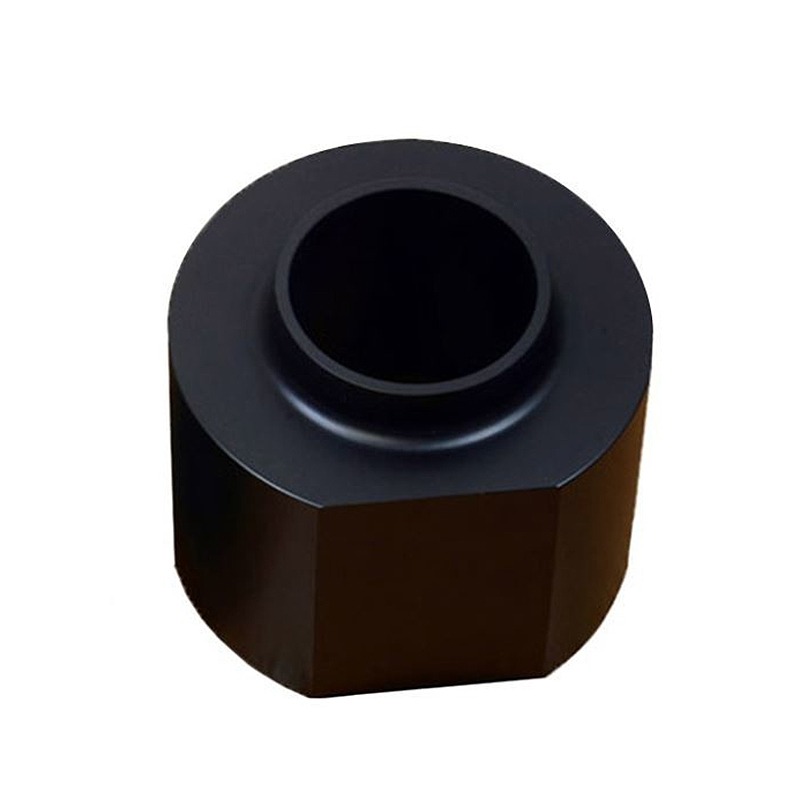
In today’s fast-evolving industrial landscape, precision and flexibility have become critical factors in manufacturing. Businesses across various sectors are increasingly turning to low volume machining components to meet specialized demands, reduce lead times, and optimize production efficiency. This trend is reshaping the manufacturing industry, offering unique advantages that conventional mass production often cannot provide.
### The Growing Importance of Low Volume Machining Components
Low volume machining refers to the production of small batches of machined parts, often tailored to specific requirements. Unlike mass production, which focuses on high quantities and standardized parts, low volume machining emphasizes customization, agility, and quality in smaller runs.
The demand for these components has been rising steadily due to several factors. Rapid prototyping, product testing, and iterative design processes require quick turnaround times and adaptable manufacturing solutions. Also, industries such as aerospace, medical devices, semiconductor manufacturing, and automation increasingly rely on precision-engineered parts, often produced in limited quantities but with highly exacting standards.
Low volume machining enables manufacturers to respond promptly to market changes, reduce inventory costs, and avoid the pitfalls of overproduction. Moreover, it supports innovation by allowing designers and engineers to experiment with different configurations and materials without committing to large-scale production runs.
### Precision CNC Machining: The Backbone of Low Volume Production
At the heart of low volume machining is CNC (Computer Numerical Control) machining technology. CNC machining allows for precise control over manufacturing processes such as milling, turning, and grinding. The computerized control system ensures that each component is produced within tight tolerances, meeting rigorous industry standards.
The versatility of CNC machining is particularly advantageous for low volume runs. It accommodates a wide variety of materials, complex geometries, and surface finishes, making it possible to produce bespoke parts efficiently and cost-effectively.
### Kachi: Delivering Excellence in Precision CNC Machining Since 2013
A key player in this space is a precision CNC machining service provider that has been actively serving the market since 2013. With a comprehensive portfolio of services including CNC milling, CNC turning, CNC grinding, prototyping, and complete surface finishing, the company has established itself as a trusted partner for low volume machining components.
This company’s expertise spans multiple industries such as automation, food processing, medical devices, electrical components, semiconductor fabrication, oil and gas exploration, aerospace, agriculture, and heavy equipment manufacturing. By serving such a diverse clientele, the firm has honed its ability to meet sector-specific challenges and adhere to strict quality controls.
### Tailored Solutions for Diverse Industries
- **Automation**: In automation, precision parts are essential to ensure the reliability and efficiency of machinery. Low volume machining allows for quick customization of components for specialized equipment and production lines.
- **Food Industry**: Hygiene and safety standards necessitate the use of high-quality, corrosion-resistant materials processed with exacting finishes. Low volume CNC machining helps produce components that comply with stringent food safety regulations.
- **Medical Sector**: The medical device industry demands components that meet exact specifications and quality certifications. Low volume production facilitates prototype development and small batch manufacturing for implants, surgical instruments, and diagnostic equipment.
- **Electrical and Semiconductor Industries**: With the rapid pace of technological advancement, these sectors require high precision parts for testing, assembly, and end products, often in small quantities. CNC machining delivers the accuracy and repeatability needed.
- **Oil and Gas, Aerospace, and Heavy Equipment**: These industries demand parts that withstand extreme conditions and mechanical stresses. Low volume machining supports specialized applications such as replacement parts, prototypes, and custom tooling.
### Advantages of Low Volume Machining Services
Companies opting for low volume CNC machining can leverage several benefits:
- **Flexibility**: Ability to produce a wide range of parts with varying complexity and materials.
- **Cost-Effectiveness**: Lower upfront tooling costs compared to mass production.
- **Speed**: Faster turnaround times supporting rapid prototyping and product iteration.
- **Customization**: Easier adaptation to design changes and new product introductions.
- **Quality Control**: Consistent adherence to specifications and stringent quality checks.
- **Inventory Management**: Reduced need for large inventories, minimizing storage costs and waste.
### The Future of Low Volume Machining
As industries continue to prioritize innovation and agile manufacturing, the reliance on low volume machining components is set to grow. Emerging technologies such as advanced CNC programming, multi-axis machining, and automation within machine shops are further enhancing capabilities.
In addition, integration with digital design and manufacturing ecosystems, including CAD/CAM software and Industry 4.0 practices, is creating smarter, more responsive production workflows. This evolution empowers manufacturers to deliver even more precise, complex, and quality parts on demand.
### Conclusion
Low volume machining components represent a pivotal solution in modern manufacturing, bridging the gap between prototyping and full-scale production. By combining precision, flexibility, and cost-efficiency, this approach supports innovation across diverse industries.
The precision CNC machining services established since 2013 exemplify how technical expertise and broad industry experience can meet the growing demand for customized, high-quality components. As businesses navigate increasingly complex and competitive markets, partnering with skilled machining providers will be key to achieving manufacturing excellence and accelerating product development.
With low volume machining gaining momentum, companies equipped with advanced CNC capabilities and multi-industry knowledge are poised to lead the next wave of precision manufacturing innovation.