
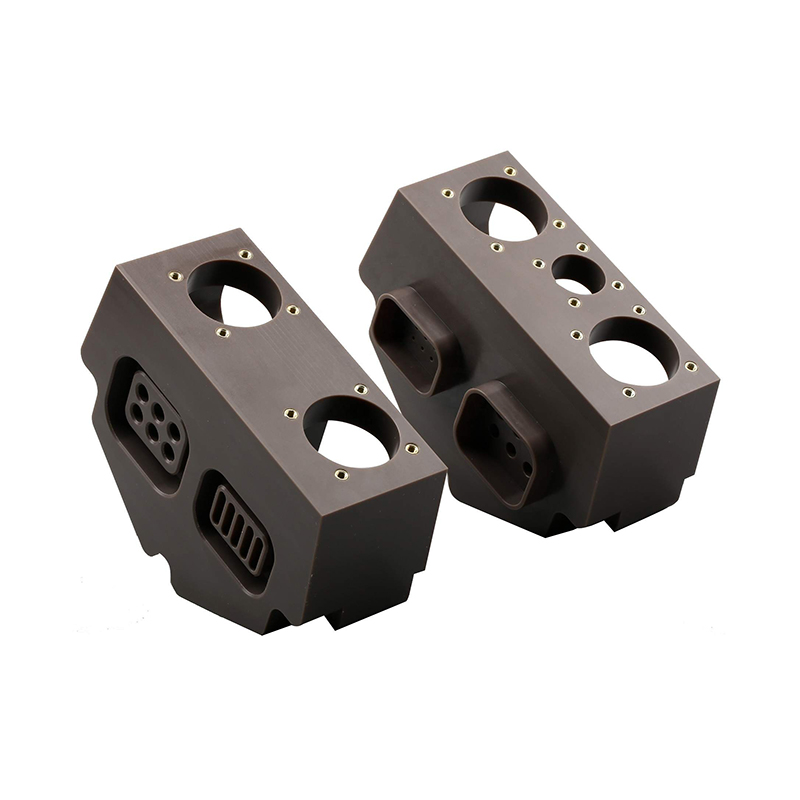
Since its inception in 2013, the precision machining sector has witnessed remarkable growth, spearheading innovation across multiple industries. Among the key players in this expanding field are providers specializing in CNC turning and Swiss machining—two highly versatile and precise manufacturing techniques crucial to modern production demands. These services have become indispensable in delivering complex components to sectors such as automation, medical, aerospace, and semiconductor industries.
### The Evolution of Precision CNC Machining
Precision CNC (Computer Numerical Control) machining has transformed manufacturing by enabling enhanced accuracy, repeatability, and efficiency. Among the suite of CNC techniques, CNC turning and Swiss machining stand out for their ability to produce intricate, high-tolerance parts efficiently.
CNC turning involves rotating a workpiece against cutting tools to remove material and craft cylindrical parts with precision. It is widely used for creating shafts, pins, and custom components with complex geometries. Swiss machining, also known as sliding headstock machining, takes turning a step further by enabling the production of extremely small, intricate parts with high precision, often in one continuous operation. This technique excels in manufacturing parts where tight tolerances and fine finishes are paramount.
### Comprehensive CNC Services Beyond Turning and Swiss
Manufacturers today increasingly rely on providers offering integrated CNC machining solutions, including milling, grinding, prototyping, and complete surface finishing. Milling complements turning by shaping parts through rotary cutters, capable of producing flat surfaces, slots, and complex profiles. Grinding further refines parts by removing minimal material to achieve tight tolerances and superior surface finishes. Prototyping allows accelerated product development by quickly converting designs into tangible models, facilitating testing and refinement. Finally, complete surface finishing enhances component longevity and performance by applying techniques such as polishing, coating, or heat treatment.
### Serving a Diverse Industrial Landscape
The broad applicability of CNC turning and Swiss machining services manifests in their penetration across numerous industries:
- **Automation:** Modern automated machinery relies on precision components for sensors, actuators, and control elements. CNC turning and Swiss machining ensure these parts meet stringent specifications for reliability.
- **Food Industry:** Hygienic design and durability are critical in food processing equipment. Precision machining enables the production of stainless steel parts resistant to corrosion and wear.
- **Medical Sector:** Medical devices and implants demand exceptional precision and biocompatibility. CNC techniques facilitate complex shapes in tiny components like surgical instruments and orthopedic implants.
- **Electrical Components:** Connectors, housings, and intricate conductive parts in electronics benefit from high-volume, precision CNC manufacturing ensuring consistent quality.
- **Semiconductor:** As semiconductors evolve toward smaller geometries, machining parts for fabrication equipment require tight tolerances achievable through Swiss machining.
- **Oil and Gas:** Components for drilling, extraction, and processing equipment must withstand harsh environments, necessitating precise and durable machining.
- **Aerospace:** Aircraft parts, from turbine components to structural elements, rely on CNC machined precision for safety and performance under extreme conditions.
- **Agriculture and Heavy Equipment:** Large-scale machinery for farming and construction uses CNC machined parts to ensure robustness and optimal functionality.
### The Strategic Importance of Precision CNC Providers
Since 2013, companies specializing in precision CNC machining have positioned themselves as critical enablers of innovation and quality in manufacturing. By combining CNC milling, turning, grinding, prototyping, and finishing, they offer end-to-end solutions that meet evolving industrial needs. Their expertise allows rapid adaptation to new materials and design complexities driven by advancing technology and regulatory standards.
The integration of Swiss machining capabilities is particularly strategic for addressing market demand for micro-components with stringent tolerance and finish requirements. This expertise creates opportunities in cutting-edge sectors such as medical devices, aerospace, and semiconductors, where product reliability and miniaturization are paramount.
Moreover, providers operating across a spectrum of industries command resilience against market fluctuations, leveraging cross-sector knowledge to optimize manufacturing processes. Their collaborative approach with clients—from initial prototyping to full-scale production—ensures that quality and lead time expectations are consistently met.
### Looking Ahead: Innovation and Sustainability in Precision Machining
The future of CNC turning and Swiss machining lies in continued innovation and sustainable practices. Industry 4.0 trends—including automation, IoT connectivity, and data analytics—are revolutionizing CNC operations by enabling real-time process optimization, predictive maintenance, and enhanced quality control. These advancements reduce waste, improve energy efficiency, and increase throughput.
Sustainability is also becoming a central focus, with precision machining companies investing in eco-friendly coolant systems, recycling initiatives, and green manufacturing practices. By minimizing environmental impact while maintaining exceptional quality standards, these providers contribute to the responsible growth of manufacturing industries.
### Conclusion
With nearly a decade of expertise, providers of precision CNC machining—including CNC turning and Swiss machining—play a vital role in supporting the diverse and demanding needs of modern industries. Their comprehensive service offerings, technical specialization, and commitment to quality help drive innovation across automation, medical, aerospace, and other sectors.
As manufacturing technologies advance, the blend of traditional craftsmanship and cutting-edge CNC processes will continue to shape high-precision production, ensuring that companies remain competitive and capable of meeting tomorrow’s industrial challenges.