
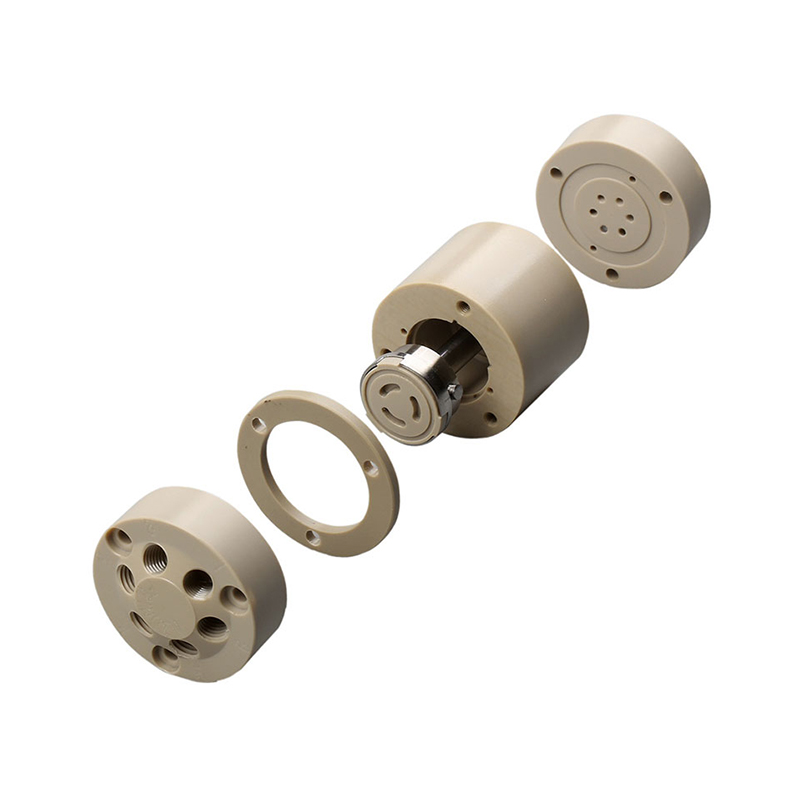
In recent years, the integration of CNC machining robots has revolutionized the manufacturing landscape, delivering unprecedented accuracy, efficiency, and consistency to precision machining processes. As industries continue to demand higher quality components with faster turnaround times, companies specializing in CNC machining services have embraced robotic automation to meet these evolving needs.
Since 2013, Kachi has emerged as a prominent provider in the precision CNC machining sector, offering a comprehensive suite of services including CNC milling, CNC turning, CNC grinding, prototyping, and complete surface finishing. By leveraging advanced technologies alongside skilled craftsmanship, Kachi addresses the complex requirements of diverse industries such as automation, food processing, medical devices, electrical components, semiconductor manufacturing, oil and gas, aerospace, agriculture, and heavy equipment.
### The Role of CNC Machining Robots in Modern Manufacturing
CNC (Computer Numerical Control) machining robots are automated systems designed to execute a variety of machining tasks—such as cutting, drilling, milling, and grinding—with minimal human intervention. These robots are programmed to operate CNC machines, ensuring precise movements and tool handling in accordance with digital design specifications.
The integration of robotic systems with CNC machinery offers several key advantages:
- **Enhanced Precision:** Robotic arms can maneuver tools with sub-micron accuracy, minimizing errors and reducing material waste.
- **Increased Productivity:** Robots operate continuously without fatigue, enabling 24/7 production capabilities and shorter lead times.
- **Improved Safety:** By handling hazardous or repetitive tasks, robots reduce the risk of workplace injuries.
- **Consistent Quality:** Automation ensures uniformity across batches, maintaining strict tolerance levels.
- **Flexible Manufacturing:** CNC machining robots can be quickly reprogrammed to accommodate different parts and processes, supporting varied production runs.
### Kachi’s Commitment to Precision and Innovation
Building on over a decade of experience, Kachi consistently adopts cutting-edge CNC machining robotic technologies to provide clients with products that meet rigorous quality standards. Their expertise spans multiple machining methods, each supported by robotic automation:
- **CNC Milling and Turning:** Kachi employs high-precision milling and turning centers aided by robotic load/unload systems, increasing throughput for complex geometries.
- **CNC Grinding:** The use of robots in grinding operations ensures consistent surface finishes and exact dimensional control, critical for components operating under high stress.
- **Prototyping:** Rapid prototyping services benefit from robotic CNC machining, enabling quick iteration cycles for new product development.
- **Complete Surface Finishing:** Automated surface finishing techniques, coupled with robotic handling, enhance the aesthetics and functionality of parts, optimizing durability and performance.
Through these capabilities, Kachi serves a broad spectrum of sectors:
- **Automation:** Precision components for machine tools, robotics, and control systems.
- **Food Processing:** Hygienic, reliable parts compliant with food safety standards.
- **Medical Devices:** Complex, biocompatible components requiring strict tolerances.
- **Electrical Components:** Fine machining of connectors and housings for electronics.
- **Semiconductor:** Ultra-precise parts essential to chip manufacturing equipment.
- **Oil and Gas:** Durable components designed for harsh environments.
- **Aerospace:** Lightweight, high-strength parts critical for aerodynamics and safety.
- **Agriculture and Heavy Equipment:** Robust machined parts for machinery performance and longevity.
### Industry Impacts and Future Outlook
The adoption of CNC machining robots has reshaped manufacturing dynamics by enabling companies like Kachi to meet increased demands without compromising quality. As Industry 4.0 and smart factory initiatives gain momentum, the synergy between CNC machining robots and data-driven manufacturing systems will usher in further advancements.
Key trends expected to influence CNC machining robots include:
- **Artificial Intelligence and Machine Learning:** Enhancing robot decision-making and adaptive control for optimizing machining parameters in real-time.
- **Collaborative Robots (Cobots):** Allowing human-machine collaboration to improve flexibility while maintaining safety.
- **Internet of Things (IoT) Integration:** Enabling seamless data exchange between machines, robots, and enterprise systems to boost productivity and predictive maintenance.
- **Advanced Materials Machining:** Developing robotic CNC capabilities tailored to new materials like composites and superalloys.
For companies requiring precision machined components, partnering with service providers that integrate robotic CNC machining technologies offers a strategic advantage. Kachi’s ongoing investment in automated machining solutions positions it at the forefront of delivering high-quality, cost-effective parts that meet the stringent demands of modern industries.
### Conclusion
The rise of CNC machining robots highlights a transformative shift toward automation-driven precision manufacturing. Kachi, with its comprehensive CNC machining expertise and commitment to embracing robotic technologies, exemplifies how service providers can elevate product quality and operational efficiency across varied industrial applications. As the manufacturing environment evolves, continued innovation in CNC robotic machining will be critical in addressing complex engineering challenges and accelerating production capabilities for a wide array of sectors.
For companies seeking reliable, cutting-edge CNC machining services augmented by robotic automation, Kachi offers a proven track record and the technical proficiency necessary to drive success in today’s competitive markets.